Solar Cell System
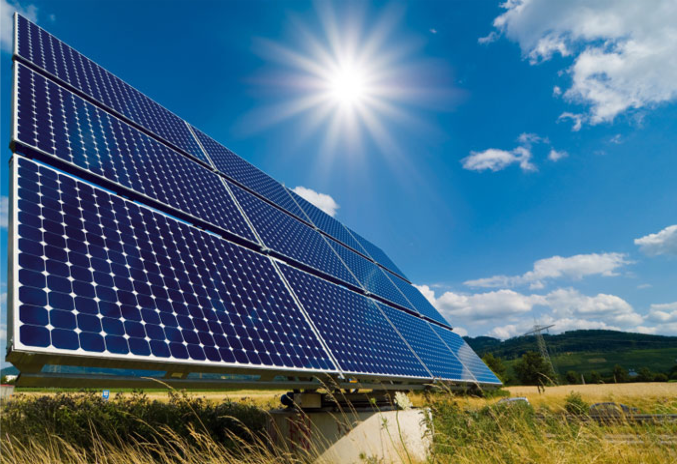
In line with our ESG initiatives, QT has expanded its offerings to include solar cell systems for our clients. This strategic move supports our clients in fulfilling their ESG commitments while enhancing energy efficiency.
Our solar energy projects span both residential and industrial sectors. Additionally, we’ve integrated solar energy systems into our core business of sewage treatment plants
Why it Matters?
Sustainable Development Goal 7: Affordable and Clean Energy
Millions of households in developing nations do not have electricity. They depend on traditional sources such as firewood, charcoal, and kerosene, which are not clean. Those with electrical power also struggle due to the high cost of the commodity. Renewable energy can improve the lives of these households by giving them access to affordable and clean energy.
How Solar Cell Works?

Solar modules capture the light from the sun, and through the photo-voltaic properties of the panels, the light is converted into electricity. The conversion takes place within the specially fabricated semiconductor crystals comprising the cells of the solar panels. The electricity produced, however, is DC power, which we need to convert into usable AC power. The job of the inverter is to do just this.
Solar Panel System 's Orientation: Does It Matter?
The orientation of a solar panel system refers to the direction in which the panels are facing. This allows the panels to receive the maximum amount of sunlight throughout the day, especially during peak hours.
Malaysia is in the Northern Hemisphere. In the Northern Hemisphere, that means facing south, while in the Southern Hemisphere it means facing north. In Northern Hemisphere, it is beneficial to have your fixed solar PV facing true south as most of path of the sun is weighted towards the south. In the Southern Hemisphere fixed solar PV facing true North instead. In other words, face your solar PV panels towards the Equator.
For more information: https://www.youtube.com/watch?v=A9H1IFhQYUY
Types of Solar Energy Systems in Malaysia
Currently, fossil fuels are the main ones to produce most of the mechanical and electrical energy sources, which are consumed around the world. However, the mitigation of the environmental impact due to emissions from the use of these fuels is inevitable; greenhouse gas emissions due to the consumption of conventional fuels are increasing disproportionately.
1. On-Grid Solar Power System (NEM)
On-grid means that your property will still be connected to the utility grid, while still generating solar power on your own. Any excess electricity generated from your solar power system will automatically be sold to the grid through the Net Energy Metering Scheme (NEM) a.k.a SMP Tariff Rate. There is no need to install battery to store the electricity generated by your solar power system. The grid will act as a “battery”, so to speak, when excess electricity generated is sent into the utility grid.
2. Self Consumption (SELCO) Solar Power System
A SELCO solar power system is almost exactly the same to NEM, but the system will not be connected to the grid. However, your property will still be connected to the grid, and depend on electricity from the grid whenever needed. Any electricity generated from your solar power system will be entirely used in your property, while any excess in electricity generated will not be exported. As such, it is important to design the SELCO system to not exceed your electricity usage. A SELCO system will be useful for properties with constant usage of electricity everyday, or machineries running 24/7.